Clear Communication, Social Media, and Trust in Local Government
Episode Summary
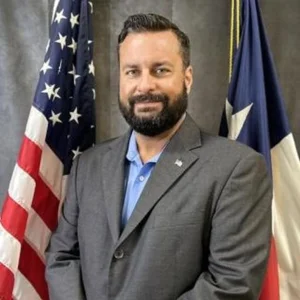
Episode 22 of The Clear Voice features a conversation with Lara Price about government communication, digital transparency, social media, and the practical steps local governments can take to build trust with their communities.
In this episode, James Groom and Lara discuss why public sector communication is about more than posting updates online. Effective communication requires intentional planning, consistent voice, clear expectations, useful tools, and a willingness to engage with residents before misinformation fills the gap.
For city managers, communications officers, department heads, elected officials, school district leaders, and public safety professionals, this episode provides practical guidance for improving communication even when staffing, time, and resources are limited.
Why This Matters for Local Government Leaders
Community trust is built long before a crisis happens. When a city, school district, police department, or public agency communicates consistently, residents learn what to expect. That consistency can create patience, trust, and credibility when something serious occurs.
Lara explains that external communication helps build trust, strengthen transparency, and combat misinformation. If an organization does not tell its own story, someone else will. In today’s digital environment, silence rarely creates calm. It usually creates a vacuum.
For local government leaders, digital transparency is not just a communications issue. It affects public trust, community engagement, crisis response, employee confidence, and the overall reputation of the organization.
Intentional Communication Starts with a Plan
One of the strongest themes in the episode is intentionality. Communication should not depend on random posts, occasional updates, or whichever employee happens to have access to the Facebook page.
Lara recommends identifying who is responsible for communication, creating a basic plan, and establishing a consistent organizational voice. Even when multiple departments contribute content, the final message should feel like it comes from one clear and trusted source.
That does not require a large staff. Small cities and organizations can start with a simple plan, a basic calendar, and a clear understanding of what information should be shared, who approves it, and how residents can expect to receive it.
Social Media as a Trust Building Tool
Social media is often the fastest and most visible way for local governments to communicate. It can be used to share events, service updates, emergency information, community highlights, reminders, and explanations of what the organization is doing.
The episode discusses the importance of choosing the right platform based on the audience. Facebook may be more useful for older residents, while Instagram may help reach younger audiences. The best platform depends on the demographics and habits of the community.
Lara also emphasizes consistency. A local government does not need to post constantly, but it should post reliably. Even three planned posts a week can help an organization build visibility, engagement, and public confidence over time.
Using Tools Without Losing the Human Voice
This episode also covers practical tools that can help small organizations communicate better. Lara discusses how platforms like Canva, ChatGPT, social media scheduling tools, and translation resources can help teams create content more efficiently.
The key is using those tools without losing the organization’s human voice. AI can help with research, drafting, content calendars, and writer’s block, but it should not replace judgment, local knowledge, or original voice.
For local governments with limited staff, these tools can be especially valuable. They can help one person manage communication more effectively, create better graphics, translate basic information, and schedule content in advance.
Graphics, Translation, and Accessibility
Visual communication matters. Lara explains that when a graphic is included, people often notice the visual before the written content. That means design, readability, and consistency are important parts of public communication.
Canva is discussed as a practical tool for creating graphics, maintaining brand colors, sharing drafts, and simplifying design work for staff members who are not trained graphic designers.
The episode also highlights translation. If a community includes a significant number of residents who speak Spanish or another language, public agencies should consider how to communicate in a way residents can understand. Translation is not just a technical task. It is a trust building act.
Comments, Criticism, and Public Trust
The episode includes a practical discussion about whether local governments should allow comments on social media. Lara explains that her organization allows comments because transparency matters, but it also has a clear social media policy that explains what is and is not allowed.
That distinction is important. Residents should generally be allowed to disagree, criticize, ask questions, and express concerns. At the same time, public agencies need policies that address unlawful, abusive, threatening, or otherwise prohibited content.
James and Lara also discuss the value of letting the community see the conversation. Sometimes residents correct misinformation themselves. Sometimes criticism reveals a real problem. Either way, leaders can learn from what residents are saying.
Archiving, Records, and Compliance
Digital transparency also comes with legal and records responsibilities. Public agencies need to understand how social media posts, comments, deleted content, and online interactions may be subject to retention rules, public information requests, or other legal requirements.
Lara discusses the importance of using archiving tools or management systems that help preserve records and maintain compliance. For public agencies, this should not be treated as an afterthought.
A good communication strategy includes not only what gets posted, but also how records are preserved, how comments are managed, and how the organization can show why certain content was removed if that becomes necessary.
Combating Misinformation Before It Spreads
One of the most important lessons from the episode is that misinformation grows when official communication is absent, delayed, or unclear.
That does not mean local governments must know every answer immediately. It means they should communicate what they know, acknowledge what they do not know, and explain when more information may be available.
This is especially important for public safety agencies, school districts, and city governments during high interest incidents. Clear, timely, and consistent communication helps prevent rumors from becoming the dominant narrative.
What Local Government Leaders Can Take from This Episode
This episode provides practical advice for any public agency trying to improve communication without a large communications department.
Start with one person or a small team responsible for communication. Create a basic plan. Choose the right platform. Build a simple content calendar. Use tools like Canva and AI carefully. Translate when needed. Archive properly. Create a social media policy. Be consistent. Be human. Be transparent.
Most importantly, start. Imperfect action is better than silence. Communities do not expect perfection, but they do notice effort, consistency, and honesty.
More Information
For more information about The Clear Voice, Clear Career Professionals, and local government leadership content, visit Clear Career Professionals online.
About The Clear Voice Podcast
The Clear Voice is a dedicated platform for transparency and expert led dialogue within the professional and public sectors. The show serves as a vital resource for leaders who want to move past surface level discussions and dive into the real world mechanics of governance, management, and organizational growth. James Groom is the host of the program. As the Vice President of Clear Career Professionals and a retired Police Chief, James brings a unique, high stakes perspective to every conversation. His background in public service and executive leadership allows him to extract practical, actionable insights from industry experts that help modern organizations function with total clarity.
Our Core Focus Areas
Executive Leadership: Exploring the transition from technical competence to high level strategic management.
Organizational Transparency: Discussing the importance of open communication and accountability in public and private leadership.
Governance and Strategy: Breaking down the complex decision making processes that drive successful communities and organizations.
Professional Development: Insights on coaching, culture building, and high performance team management.
About Clear Career Professionals
Clear Career Professionals is a specialized recruitment and strategic consulting firm focused on the public sector. We believe that the strength of any municipality or school district lies in the quality of its leadership and the cohesion of its teams.Our team is comprised of former practitioners and retired executives who understand the nuances of public service. We provide organizations with more than just a list of candidates; we provide the strategic oversight and expertise necessary to navigate transitions, maximize taxpayer funds, and implement long term solutions.
Our Strategic Services
Executive Search and Recruitment: A tailored approach to identifying top tier talent for leadership roles in cities and school districts.
Interim Leadership: Providing experienced professionals to guide organizations through critical periods of transition.
Governance and Board Training: Specialized sessions designed to strengthen board relations and help leadership teams function as a unified School Board or City Council & Executive Team.
Shared Solutions Initiative: A program focused on fostering collaboration between municipalities and schools to address shared community challenges.
Connect With Us
Visit our official website to explore current job opportunities or to learn more about our leadership services: clearcareerpro.com.
Follow us for more updates:
Career Opportunities: https://clearcareerpro.com/career-opportunities/
Recruitment Services: https://clearcareerpro.com/recruitment/
Services: https://clearcareerpro.com/all-services/
Clear News: https://clearcareerpro.com/clear-news
The Clear Voice Podcast: https://clearcareerpro.com/the-clear-voice/
LinkedIn: https://linkedin.com/company/clear-career-pro
Facebook:Clear Career Professionals @ClearCareerPro