Before It Breaks: How Leaders Build and Repair Trust
Trust rarely fails in a single moment
A missed conversation, an inconsistent decision, or an unanswered concern may seem insignificant on its own. Over time, however, those moments accumulate. Communication slows, employees become more guarded, and leaders may not recognize the damage until it begins affecting performance, retention, and organizational culture.
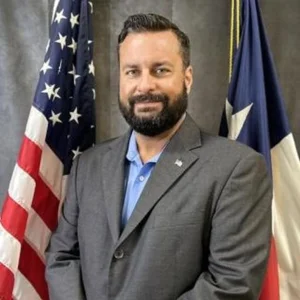
In Episode #85 of The Clear Voice, hosts James Groom and James Hopper speak with Dr. Gearl Loden, superintendent of Nixa Public Schools, executive coach, and author of Before It Breaks: The Seven Pillars of Trust Every Leader Must Build.
Loden argues that trust should not be treated merely as a positive leadership quality or a feeling shared among coworkers. Trust is the infrastructure supporting everything else in an organization. When that infrastructure is strong, people communicate openly, make decisions confidently, and work through disagreements. When it begins to weaken, even competent teams can struggle.
The seven pillars of organizational trust
The Loden Trust Framework identifies seven pillars that leaders can use to assess trust within themselves, their teams, and their organizations:
Character: Acting from a clear and dependable ethical foundation
Consistency: Creating predictable leadership behavior and reliable systems
Communication: Keeping people informed and creating space for feedback
Competence: Developing the skills, people, and systems needed to perform effectively
Care: Understanding employees as people while managing workload and expectations
Clarity: Making sure people understand what is changing, why it is changing, and what will remain the same
Courage: Addressing difficult issues before they become larger organizational problems
These pillars provide leaders with a practical way to diagnose trust. Instead of simply concluding that trust is high or low, leaders can identify where the weakness exists and decide what action is needed.
Character provides the foundation, but the framework emphasizes that ethical intentions alone are not enough. A well-intentioned leader can still damage trust through inconsistent decisions, unclear communication, poor systems, or an unwillingness to confront problems.
Trust drift often begins with silence
One of the earliest signs of declining trust is a change in how people communicate.
Employees who once asked questions may become quiet. Problems stop reaching the leader. Conversations move into hallways, private messages, and meetings that do not include the person who needs to hear the concern. Rumors begin circulating while leadership continues believing everything is fine.
Loden describes this gradual deterioration as “trust drift.”
Silence should not automatically be interpreted as agreement or confidence. In some organizations, employees comply because they do not believe speaking up will make a difference. In others, people become focused on protecting themselves by documenting every conversation and moving communication into email.
Everything may appear orderly on paper while the organization is becoming increasingly guarded and less effective.
Leaders can counter trust drift by consistently inviting feedback and showing employees what has happened because of it. Not every suggestion must be implemented, but people need evidence that raising a concern is safe and worthwhile.
The 72-hour repair protocol
One of the most practical ideas in Before It Breaks is Loden’s 72-hour repair protocol.
When a leader notices that someone has become unusually quiet, withdrawn, frustrated, or disconnected, the leader should address it within 72 hours. The protocol creates enough space to think before reacting, but not enough time for assumptions and resentment to take root.
The goal is not to confront the employee with a conclusion. It is to begin a short, open conversation.
A leader might say:
“I noticed you were quieter than usual during our meeting. I wanted to check in and see if everything is okay or if there is anything you need from me.”
The issue could involve a deadline, a conflict with another team member, an unclear expectation, or something completely unrelated to work. The leader does not know until the conversation occurs.
Waiting too long allows people to create their own explanations for another person’s behavior. A small misunderstanding can grow into conflict between employees, departments, or leadership teams. By the time the conflict becomes visible, the underlying issue may have been developing for months.
The 72-hour protocol is designed to interrupt that cycle.
Why competence is not enough
Organizations often promote highly competent employees into leadership positions because they excel in their technical roles. The best salesperson becomes the head of sales. An excellent nurse becomes a clinical supervisor. A successful teacher becomes a principal.
Technical competence matters, but it does not automatically prepare someone to develop people, communicate through uncertainty, delegate responsibility, or build trust.
A leader who believes everything must be completed personally may become overwhelmed and unintentionally limit the organization. Sustainable competence requires developing other leaders, strengthening systems, cross-training employees, and creating an environment where people can identify weaknesses without fear.
Leaders should also test successful systems before a crisis exposes their limitations. Loden recommends looking for fault lines while things are going well. Asking frontline employees what does not make sense can reveal operational weaknesses that are invisible from the top of the organization.
Building trust during the first 90 days
New leaders often receive a temporary level of trust simply because of their position. That trust is provisional and can disappear quickly.
During the first 90 days, Loden recommends that leaders remain visible, meet individually with employees, and conduct listening sessions throughout the organization. Useful questions include:
What do you love about this organization?
Why have you stayed?
What would you tell someone you were recruiting to work here?
What would you like to see change?
What prevents your team from reaching its full potential?
The purpose is not to make immediate promises. Leaders should listen for patterns, distinguish recurring concerns from isolated opinions, and then communicate what they have learned.
After listening, the leader must close the loop. Employees should understand what will change, what will remain the same, what needs further evaluation, and what the organization does not currently have the capacity to address.
Trust with boards and governing bodies
Public-sector executives frequently answer to boards, councils, or other governing bodies. Individual members may have different interests, priorities, and communication styles, but the executive must serve the governing body collectively.
Loden compares the executive and board relationship to a marriage. Both sides should understand who they are selecting and avoid presenting an unrealistic version of themselves during the interview process.
Once hired, executives should build authentic relationships with individual members while maintaining alignment with the entire governing body. Loden meets individually with his board members each quarter, often over a meal. Those conversations help both sides understand how the other communicates, responds to stress, and approaches difficult decisions.
The relationship should also evolve as board membership changes. A practice supported by a previous board should not be assumed to have the same support from new members. Leaders must continually confirm expectations and alignment.
Repairing trust after it breaks
A leader who has damaged trust may be tempted to over-apologize or make broad promises that the problem will never happen again. Loden recommends a more concrete approach.
The leader should acknowledge the mistake, explain what will be done differently, and then consistently follow through.
If a leader promises a change and fails to make it, the additional damage may be more difficult to repair than the original mistake. Rebuilding trust requires patience, vulnerability, and sustained action across the seven pillars.
Loden also emphasizes that a leadership failure does not always end the relationship. When leaders admit mistakes and ask for help, their vulnerability can ultimately strengthen their credibility. Employees see that mistakes can be acknowledged, corrected, and used as opportunities to improve.
Trust is a long game. It must be built before a crisis, monitored while conditions are stable, and repaired quickly when warning signs appear.
Listen to Episode #85 of The Clear Voice
In this conversation, Dr. Gearl Loden offers practical guidance for leaders who want to recognize trust drift, address difficult issues earlier, and create organizations where people can communicate honestly.
The discussion also explores leadership lessons from Loden’s career in education, including why leaders must learn to distinguish urgent priorities from distractions. As he explains through a story about training hunting dogs, everything is not a rabbit.
Listen to #85 - Before It Breaks: How Leaders Build and Repair Trust on your preferred podcast platform or watch the full conversation on YouTube.
Connect with Dr. Gearl Loden
LinkedIn:
https://www.linkedin.com/in/gearl-loden-lodenleadership/
Loden Leadership:
https://lodenleadership.com
Leadership books
Before It Breaks: The Seven Pillars of Trust Every Leader Must Build by Dr. Gearl Loden
https://amzn.to/3TEe4UM
540 Leadership by Michael Boese
https://amzn.to/4h43L3U
As an Amazon Associate, we earn from qualifying purchases.
About The Clear Voice Podcast
The Clear Voice is a dedicated platform for transparency and expert led dialogue within the professional and public sectors. The show serves as a vital resource for leaders who want to move past surface level discussions and dive into the real world mechanics of governance, management, and organizational growth. James Groom is the host of the program.
About Clear Career Professionals
Clear Career Professionals is a specialized recruitment and strategic consulting firm focused on the public sector. We believe that the strength of any municipality or school district lies in the quality of its leadership and the cohesion of its teams. Our team is comprised of former practitioners and retired executives who understand the nuances of public service. We provide organizations with more than just a list of candidates; we provide the strategic oversight and expertise necessary to navigate transitions, maximize taxpayer funds, and implement long term solutions.
Connect With Us
Visit our official website to explore current job opportunities or to learn more about our leadership services: clearcareerpro.com.
Follow us for more updates:
Career Opportunities: https://clearcareerpro.com/career-opportunities/
Recruitment Services: https://clearcareerpro.com/recruitment/
Services: https://clearcareerpro.com/all-services/
Clear News:https://clearcareerpro.com/clear-news
The Clear Voice Podcast: https://clearcareerpro.com/the-clear-voice/
LinkedIn: https://linkedin.com/company/clear-career-pro
Facebook:Clear Career Professionals @ClearCareerPro