What Municipal Leaders Can Learn from a Community in Crisis
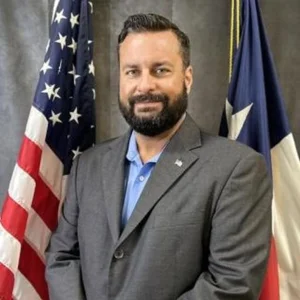
A community crisis rarely stays within the boundaries of one department. Addiction affects families, schools, hospitals, police departments, treatment providers, employers, churches, and local government. Addressing it requires more than enforcement or a single public program. It requires leaders who are willing to communicate openly, build partnerships, and remain focused on the people behind the crisis. In Episode #77 of The Clear Voice, Aubrey D. Paul joins Clear Career Professionals President Michael Boese and Clear Vice President and The Clear Voice host James Groom to discuss the experiences behind his memoir, Plano Grace. Aubrey is a retired Plano Police Sergeant and longtime crisis intervention leader. During his career, he witnessed Plano confront heroin addiction and overdose deaths that challenged the community’s image, tested its institutions, and required leaders from across the city to work together. The conversation examines what happened in Plano, how crisis intervention has changed law enforcement, and what municipal leaders can learn from Aubrey’s professional and personal journey.
When Addiction Becomes a Community Crisis
Plano was experiencing significant growth when heroin addiction and overdose deaths began affecting local families during the 1990s. The crisis could not be treated solely as a police matter. Its effects reached the school district, hospitals, treatment providers, churches, county agencies, families, and other parts of the community. Aubrey explains that the response became more effective when organizations moved beyond their individual responsibilities and began working toward a shared goal. Law enforcement played an important role, but enforcement was only one part of a much larger community response. This remains an important lesson for city managers, elected officials, police chiefs, fire chiefs, and department leaders. Complex problems rarely fit neatly within an organizational chart. When a crisis crosses departmental and jurisdictional boundaries, the response must do the same.
Transparency During Difficult Moments
Some communities instinctively withdraw when a crisis threatens their reputation. Leaders may fear that acknowledging a serious problem will create negative publicity or undermine confidence. Plano’s leaders chose a more open approach. Aubrey describes how city leadership, law enforcement, schools, hospitals, churches, and outside agencies communicated with one another and with the public. Local media became part of that process by helping the community understand the scope of the problem and the work being done to address it. Transparency did not remove the crisis, but it helped create the trust necessary for a coordinated response. Municipal leaders cannot always control the story confronting their community. They can control whether residents receive timely information, whether agencies communicate consistently, and whether the organization responds with honesty.
Dignity and Accountability Can Exist Together
One of Aubrey’s most important leadership lessons came from interviewing suspects and seeking confessions during criminal investigations. Regardless of the person or the allegations involved, he tried to conduct those conversations with dignity and respect. That approach did not mean avoiding accountability. It meant recognizing the humanity of the person while still performing his responsibility as a police officer. The same principle applies inside public organizations. Employees should be held accountable for their decisions and performance. However, accountability does not require humiliation, hostility, or disrespect. Leaders reveal the strength of their organizational culture through the way they handle mistakes, disagreements, discipline, and difficult conversations. If police officers are expected to treat suspects with dignity and respect, leaders should have no trouble extending the same courtesy to the people inside their own organizations.
The Continuing Connection Between Drugs and Crime
After decades of drug enforcement, officers may understandably become frustrated when addiction, trafficking, and overdose deaths continue. Aubrey acknowledges that frustration while emphasizing that individual enforcement actions still matter. Substance abuse often contributes to theft, burglary, fraud, family instability, and other criminal activity. An arrest, diversion opportunity, or intervention may become the moment that changes someone’s direction. Officers may never see the final outcome of every encounter. That does not mean their actions are without value. For police leaders, the challenge is helping officers understand both sides of the mission. They must enforce the law and protect the community while recognizing that treatment, diversion, and recovery can also improve public safety.
Advice for Families Facing Addiction
Addiction places families in an extraordinarily difficult position. Parents and loved ones must decide when to enforce boundaries, when to provide support, and how to maintain a relationship with someone making dangerous choices. Aubrey does not present a single answer. He believes families often need both accountability and connection. Rules and consequences matter, but they are more effective when the person understands that they come from love and concern. Aubrey encourages parents to talk with young people about their goals and dreams, not only the legal consequences of substance use. The question becomes larger than what someone might lose through an arrest. It becomes whether substance use will prevent that person from building the life they want.
Crisis Intervention and Community Partnerships
Aubrey became involved with crisis intervention at a time when many police departments were still determining how law enforcement should respond to mental illness. What began as an instructional assignment eventually led him to study crisis intervention programs and help develop Plano’s approach. Crisis intervention teams provide officers with additional tools for encounters involving mental illness, substance use, and behavioral crises. Their value extends beyond deescalation. Effective programs connect law enforcement with hospitals, mental health authorities, treatment providers, courts, and community organizations. These partnerships can create alternatives to repeated arrests and emergency calls. When appropriate, jail diversion and treatment can address the conditions contributing to someone’s repeated contact with law enforcement. Aubrey is also clear that these programs are not a universal solution. They require resources, responsible management, realistic expectations, and strong relationships with qualified service providers.
Mental Health Services Are a Long Term Investment
Municipal leaders frequently face two objections when considering new programs. There is not enough time, and there is not enough money. Michael Boese explains that community responses to mental illness and substance abuse should be viewed as investments. The benefits may not be immediately visible, but effective programs can reduce repeated calls, jail costs, organizational liability, and the long term effects of untreated behavioral health conditions. The most meaningful municipal investments are not always the easiest to explain. Some require leaders to look beyond the current budget year and consider the future cost of doing nothing. Addressing addiction and mental illness does not belong exclusively to the police chief, fire chief, or emergency management staff. City managers and elected officials help determine whether departments have the partnerships, policies, training, and resources needed to respond effectively.
Narcan and Overdose Prevention
The increasing presence of fentanyl has changed overdose response for law enforcement and other first responders. Narcan can reverse an opioid overdose and provide critical time for emergency medical treatment. Aubrey discusses how access expanded from fire and emergency medical services to police officers as the opioid crisis evolved. Providing Narcan is not a complete solution to addiction, but it can preserve the opportunity for recovery. It can also protect officers and other first responders who may encounter dangerous substances while performing their duties. Agencies that do not currently provide Narcan should explore available public health partnerships, mental health authorities, nonprofit organizations, and other community resources.
The Personal Story Behind Plano Grace
Plano Grace is not only a law enforcement account of a community’s response to heroin. Aubrey writes about grief, family struggles, addiction, the loss of a son, another son’s involvement in the drug trade, marital stress, redemption, and faith. These experiences shaped his understanding of service and gave the events in Plano a deeply personal meaning. His story reminds leaders that the people serving inside public organizations carry experiences that may never appear in an evaluation, budget document, or organizational chart. Understanding that human element does not weaken an organization’s standards. It helps leaders build trust, recognize when employees need support, and create workplaces where people can continue serving through difficult seasons.
Leadership Lessons from Plano Grace
The experiences shared in this episode offer several lessons for municipal leaders. First, complex community problems require collaboration. No department can solve addiction, mental illness, or family trauma alone. Second, transparency builds trust. Communities are more likely to participate in a solution when leaders communicate openly about the problem. Third, dignity and accountability belong together. Respect should remain the standard regardless of who is involved or why the conversation is happening. Fourth, prevention, diversion, treatment, and enforcement can support the same public safety mission. Finally, leadership is personal. Policies and programs matter, but people ultimately determine whether a community responds with division or shared purpose.
Watch or Listen to Episode #77
Watch Plano Grace Protecting a Community Through Crisis with Aubrey D. Paul available at the links below.
Watch YouTube: https://youtu.be/HD0MlFjfZY4
Spotify: https://open.spotify.com/episode/7eo4GWhzn62AlaTsusEW3Z
Apple Podcasts: https://podcasts.apple.com/us/podcast/77-plano-grace-protecting-a-community-through-crisis/id1824562318?i=1000779927200
Purchase Plano Grace on Amazon:https://amzn.to/3TVWzPs
This episode includes discussions of mental health, substance abuse, fentanyl, overdose deaths, and family trauma. Listener discretion is advised.
This episode is dedicated to Zackery Mehlman, July 19, 2004 to March 22, 2021, and the more than 350,000 lives lost to the opioid crisis. May their memories strengthen our commitment to preventing further loss.
About The Clear Voice Podcast
The Clear Voice is a dedicated platform for transparency and expert led dialogue within the professional and public sectors. The show serves as a vital resource for leaders who want to move past surface level discussions and dive into the real world mechanics of governance, management, and organizational growth. James Groom is the host of the program. As the Vice President of Clear Career Professionals and a retired Police Chief, James brings a unique, high stakes perspective to every conversation. His background in public service and executive leadership allows him to extract practical, actionable insights from industry experts that help modern organizations function with total clarity.
Our Core Focus Areas
Executive Leadership: Exploring the transition from technical competence to high level strategic management.
Organizational Transparency: Discussing the importance of open communication and accountability in public and private leadership.
Governance and Strategy: Breaking down the complex decision making processes that drive successful communities and organizations.
Professional Development: Insights on coaching, culture building, and high performance team management.
About Clear Career Professionals
Clear Career Professionals is a specialized recruitment and strategic consulting firm focused on the public sector. We believe that the strength of any municipality or school district lies in the quality of its leadership and the cohesion of its teams. Our team is comprised of former practitioners and retired executives who understand the nuances of public service. We provide organizations with more than just a list of candidates; we provide the strategic oversight and expertise necessary to navigate transitions, maximize taxpayer funds, and implement long term solutions.
Our Strategic Services
Executive Search and Recruitment: A tailored approach to identifying top tier talent for leadership roles in cities and school districts.
Interim Leadership: Providing experienced professionals to guide organizations through critical periods of transition.
Governance and Board Training: Specialized sessions designed to strengthen board relations and help leadership teams function as a unified School Board or City Council & Executive Team.
Shared Solutions Initiative: A program focused on fostering collaboration between municipalities and schools to address shared community challenges.
Connect With Us
Visit our official website to explore current job opportunities or to learn more about our leadership services: clearcareerpro.com.
Follow us for more updates:
Career Opportunities: https://clearcareerpro.com/career-opportunities/
Recruitment Services: https://clearcareerpro.com/recruitment/
Services: https://clearcareerpro.com/all-services/
Clear News:https://clearcareerpro.com/clear-news
The Clear Voice Podcast: https://clearcareerpro.com/the-clear-voice/
LinkedIn: https://linkedin.com/company/clear-career-pro
Facebook:Clear Career Professionals @ClearCareerPro