Rethinking How Local Government Communicates
Summary
In Episode 58 of The Clear Voice, host James Groom sits down with Sam Toles, founder of CiviSocial, to discuss why local government social media is failing and how agencies can rebuild trust through modern communication strategies. With experience in public office and digital media leadership, Sam explains why polished graphics and static posts no longer resonate in today’s video-driven environment.
The conversation focuses on a shift toward authentic, human-centered content, what Sam calls “neighbors serving neighbors.” Instead of institutional messaging, agencies must show real employees doing real work in simple, unscripted ways. This approach builds trust, improves engagement, and supports recruitment.
Sam also breaks down platform strategy, why Facebook should no longer be the primary focus, and how agencies can move beyond the same small group of critics by creating shareable content that reaches the broader community.
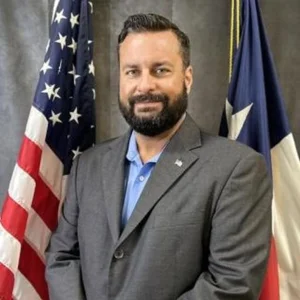
About Sam Toles
Sam Toles is the founder and CEO of CiviSocial, a firm dedicated to helping local governments modernize their communication strategies through authentic, video-first content. Before launching CiviSocial, Sam built a career in digital media and entertainment, holding leadership roles at Vimeo, MGM Studios, and Bleacher Report. His work included managing large-scale content platforms and collaborating with creators reaching billions of followers. Sam also served as an elected city council member, giving him firsthand experience with the realities of public service and the communication challenges faced by local governments. That combination of public sector insight and private sector expertise led him to identify a major gap, social media was not just underutilized in local government, it was often actively harming organizations through poor strategy and outdated practices. Today, Sam works with cities, counties, and school districts across the country to implement sustainable, in-house social media systems that improve public trust, reduce negativity, and strengthen recruitment pipelines.
The Problem with Traditional Government Communication
One of the clearest takeaways from this episode is that most local governments are still communicating as if it were 2005. Static graphics, formal language, and one-way messaging dominate, particularly on platforms like Facebook. The issue is not intent. Local governments are trying to inform and engage. The issue is execution. In a digital environment where billions of pieces of content are competing for attention daily, polished but impersonal messaging gets ignored. Sam highlights a critical misconception. Many organizations believe they are active on platforms like Instagram or TikTok because they post there. In reality, they are simply cross-posting Facebook-style content onto platforms that operate entirely differently. The result is low engagement and the false conclusion that those platforms “do not work.” The deeper issue is that traditional communication methods fail to reflect how people actually consume content today. Audiences are not looking for announcements. They are looking for connection.
Authenticity as the Core Strategy
The foundation of Sam’s approach is authenticity. Not as a buzzword, but as a practical communication strategy. Authenticity means speaking in a natural voice, showing real work, and allowing for imperfections. It means replacing scripted messaging with genuine interactions. According to Sam, this is what drives engagement across all modern platforms. He compares traditional government posts to junk mail. Highly designed, carefully crafted, and immediately discarded. In contrast, authentic content functions like a handwritten letter. It feels personal, relevant, and worth paying attention to. This shift is especially important in local government because trust already exists. Data consistently shows that local government is the most trusted level of government. The challenge is not building trust from scratch. The challenge is reflecting that trust in how communication happens. When employees are shown doing their work, filling potholes, cleaning parks, responding to calls, the public sees the human side of government. That visibility reinforces trust and changes the tone of public interaction.
The Creator Squad Model
A key operational takeaway from this episode is the concept of a “creator squad.” Instead of relying on one communications person to produce all content, Sam identifies employees across the organization who already engage with social media in their personal lives. These individuals become internal content creators. They receive light training and are encouraged to document their work using simple tools, primarily their phones. The goal is not production quality. The goal is capturing real moments. This approach solves several problems simultaneously. It reduces workload on communications staff, increases content volume, and ensures authenticity. It also creates internal buy-in, as employees become active participants in telling the organization’s story. Communications professionals then shift into a strategic role, reviewing content, ensuring alignment, and managing distribution across platforms.
Platform Strategy and Audience Reality
Another major theme is understanding where audiences actually are. Sam makes it clear that Facebook is no longer the dominant platform for reaching working-age adults. The most active users on Facebook are over 55. While it still has value, it should not be the primary focus. Platforms like TikTok, Instagram, and YouTube are where broader audiences spend time. Among these, YouTube stands out as the only truly cross-generational platform. The implication is straightforward. If local governments want to reach younger audiences, particularly for recruitment, they must adapt both the platform and the content style. Posting flyers or announcements will not resonate. Showing real people doing meaningful work will.
Escaping the “Same Ten People” Problem
One of the most practical insights from the episode addresses the common frustration with negative commenters. Sam refers to these individuals as a closed ecosystem. They are highly visible but not representative of the broader community. Focusing on them creates a reactive communication cycle that reinforces negativity. The alternative is to focus on shares rather than comments. Shares extend content beyond the visible audience into private networks, text messages, and personal connections. This is where real influence happens. When content is shared by a neighbor, it carries far more credibility than anything posted directly by the organization. By prioritizing shareable, positive, human-centered content, local governments can bypass the negativity loop and reach the silent majority.
Recruitment and Organizational Impact
The implications of this strategy extend beyond communication into recruitment. Sam shares a powerful example of a code enforcement officer being approached by someone who had seen their TikTok content and wanted to join the profession. This illustrates how authentic content can reshape perceptions of roles that are traditionally misunderstood or undervalued. In a competitive hiring environment, this is a significant advantage. Instead of trying to convince candidates through job descriptions, organizations can show the reality of the work. This aligns closely with broader workforce challenges in policing, fire service, and municipal operations. Visibility and perception matter, and social media is now a primary driver of both.
Key Leadership Insight
The episode closes with a leadership-focused takeaway that extends beyond social media. Sam encourages leaders to identify the qualities that people closest to them value most, integrity, empathy, humor, reliability, and to communicate those qualities consistently. This principle reinforces the broader theme of authenticity. Whether in leadership or communication, the most effective approach is grounded in being genuine and transparent.
Connect with Sam Toles
LinkedIn: https://www.linkedin.com/in/samtoles1/
Website: https://civisocial.com
Social Media Playbook: https://civisocial.com/the-social-media-playbook
Final Takeaway
This episode reframes social media from a liability into a strategic asset.Fact: Traditional, polished communication is increasingly ineffective in the modern digital landscape.
Fact: Authentic, human-centered content consistently outperforms institutional messaging across platforms.
Fact: Local governments already have the trust advantage, but must reflect it through how they communicate.
Opinion: For agencies willing to adopt this approach, the upside is significant, improved public perception, stronger recruitment pipelines, and a more resilient organizational culture.
Episode 58 delivers a clear message. Communication is no longer optional, and the way it is done matters more than ever.
About The Clear Voice Podcast
The Clear Voice is a dedicated platform for transparency and expert led dialogue within the professional and public sectors. The show serves as a vital resource for leaders who want to move past surface level discussions and dive into the real world mechanics of governance, management, and organizational growth.
James Groom is the host of the program. As the Vice President of Clear Career Professionals and a retired Police Chief, James brings a unique, high stakes perspective to every conversation. His background in public service and executive leadership allows him to extract practical, actionable insights from industry experts that help modern organizations function with total clarity.
Our Core Focus Areas
Executive Leadership: Exploring the transition from technical competence to high level strategic management.
Organizational Transparency: Discussing the importance of open communication and accountability in public and private leadership.
Governance and Strategy: Breaking down the complex decision making processes that drive successful communities and organizations.
Professional Development: Insights on coaching, culture building, and high performance team management.
About Clear Career Professionals
Clear Career Professionals is a specialized recruitment and strategic consulting firm focused on the public sector. We believe that the strength of any municipality or school district lies in the quality of its leadership and the cohesion of its teams.
Our team is comprised of former practitioners and retired executives who understand the nuances of public service. We provide organizations with more than just a list of candidates; we provide the strategic oversight and expertise necessary to navigate transitions, maximize taxpayer funds, and implement long term solutions.
Our Strategic Services
Executive Search and Recruitment: A tailored approach to identifying top tier talent for leadership roles in cities and school districts.
Interim Leadership: Providing experienced professionals to guide organizations through critical periods of transition.
Governance and Board Training: Specialized sessions designed to strengthen board relations and help leadership teams function as a unified "Team of Eight."
Shared Solutions Initiative: A program focused on fostering collaboration between municipalities and schools to address shared community challenges.
Connect With Us
Visit our official website to explore current job opportunities or to learn more about our leadership services: clearcareerpro.com.
Follow us for more updates:
Career Opportunities: https://clearcareerpro.com/career-opportunities/
Recruitment Services: https://clearcareerpro.com/recruitment/
Services: https://clearcareerpro.com/all-services/
The Clear Voice Podcast: https://clearcareerpro.com/the-clear-voice/
LinkedIn: https://linkedin.com/company/clear-career-pro
Facebook:Clear Career Professionals @ClearCareerPro